Debris Removal Dumpster in Coral Springs: Right Size, Right Placement
Matching Dumpster Size to Your Project Type
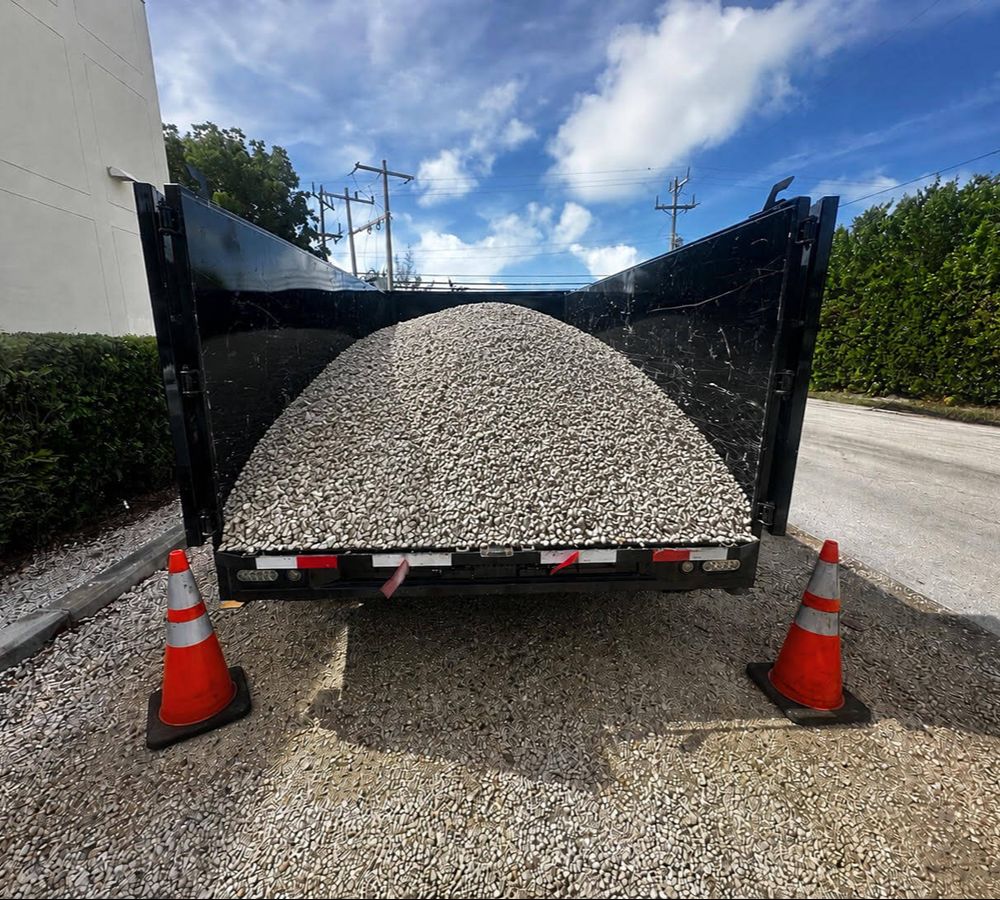
The right debris removal dumpster size depends on two things: how much space your debris takes up and how heavy it is. Bulky, light debris like furniture or yard waste calls for a bigger container. Heavy debris like concrete, dirt, or shingles fills up on weight long before it fills up on space.
Dumpsters are measured in cubic yards. One cubic yard is a box about 3 feet long, 3 feet wide, and 3 feet tall. A 20 yard dumpster holds about twenty of those boxes. It's easier to think about it by job, so here's how the sizes line up with the projects people in Coral Springs take on most.
- 10 yard: Good for small, focused jobs. Think a single bathroom tear-out, a garage cleanout, or a load of heavy material like concrete, dirt, or tile. The smaller box keeps heavy loads from getting too heavy to haul.
- 20 yard: The middle ground for many homeowners. It handles a kitchen remodel, flooring and carpet removal across a few rooms, or a full roof tear-off on a smaller home.
- 30 yard: Built for bigger jobs with lots of bulky items. A whole-house cleanout, an estate cleanout, or a remodel that touches several rooms fits well here.
- 40 yard: For large construction, demolition, or commercial projects. It's the most space we offer, and it makes sense when you'd otherwise need two or three smaller containers.
Here's the part a lot of folks miss. Space isn't the only limit. Every dumpster also has a weight limit, and heavy debris hits that limit fast. A container that's half full of broken concrete can weigh more than a container packed to the top with old couches. Heavy jobs like driveway removal, dirt from a landscaping project, or a pile of roof shingles usually go in a smaller dumpster, even when it looks like they'd need a bigger one. If you're not sure where your load falls, ask us. Dumpster weight limit guidance is one of the services we offer, and we'd much rather help you get it right up front than have you guess.
Light, bulky debris works the other way. Tree limbs, palm fronds, and hedge trimmings take up a lot of room but don't weigh much. After a summer storm, a yard full of branches can fill a 20 or 30 yard container quickly. Breaking limbs down and laying them flat helps you fit more.
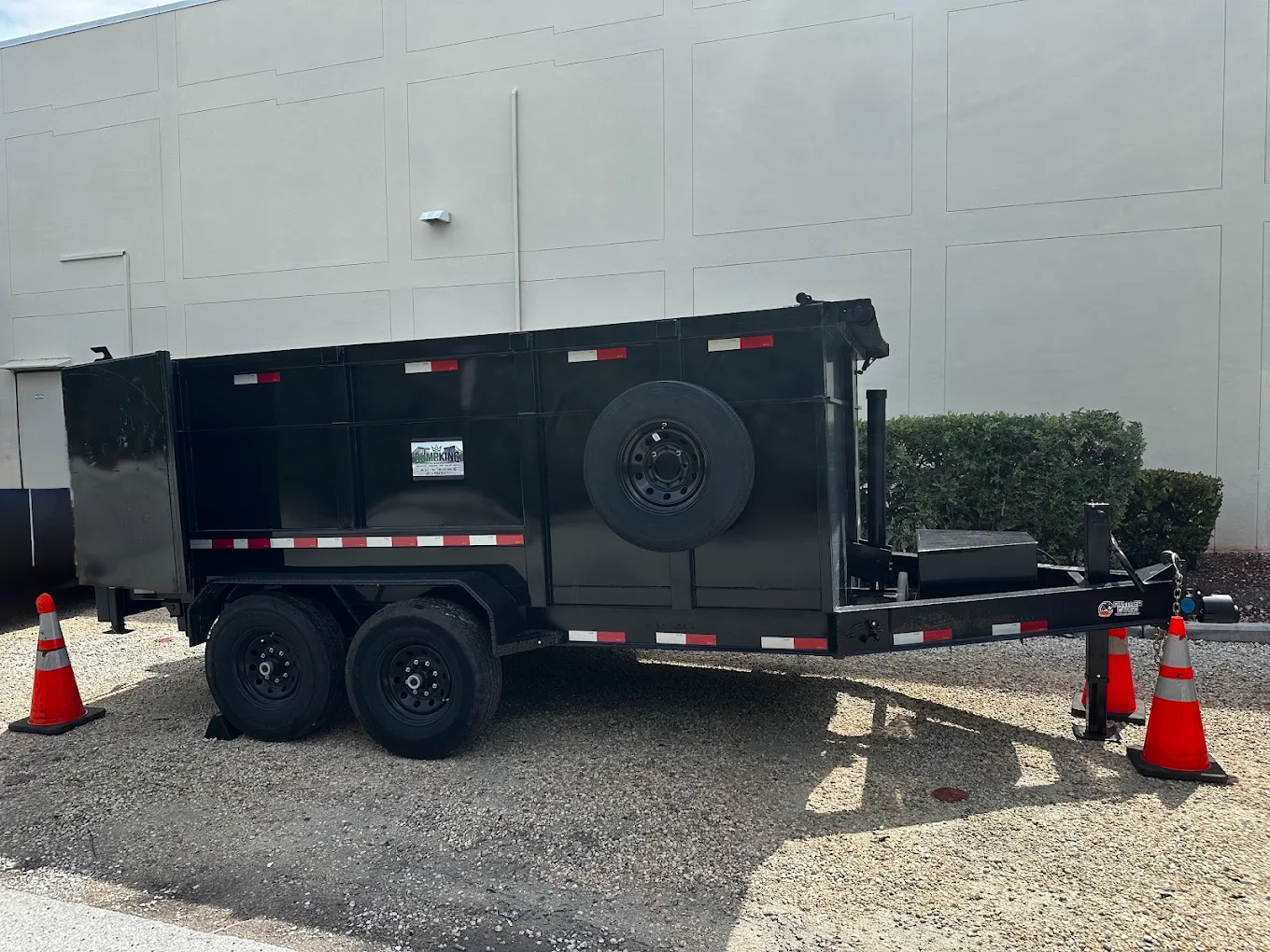
When you're stuck between two sizes, think about what's still coming. If a cleanout might turn up a garage or attic you forgot about, going one size up usually costs less than ordering a second dumpster later. If your debris is mostly heavy material, stick with the smaller size and keep the load level with the top rim. A dumpster stacked past the rim can't be hauled safely, and it may have to be unloaded before pickup.
Tell us what you're tossing and roughly how much of it there is. A clear description, like "one kitchen, cabinets and countertops" or "backyard storm cleanup, mostly branches," is enough for us to point you to a size that fits the job without paying for space you won't use.
Confirming Where the Dumpster Can Sit Before Delivery
Picking the spot ahead of time matters as much as picking the size. A dumpster that can't be placed where you want it means a delayed drop-off, a cramped work area, or a problem with your neighbors or the city. A few minutes of planning now saves you that headache on delivery day.
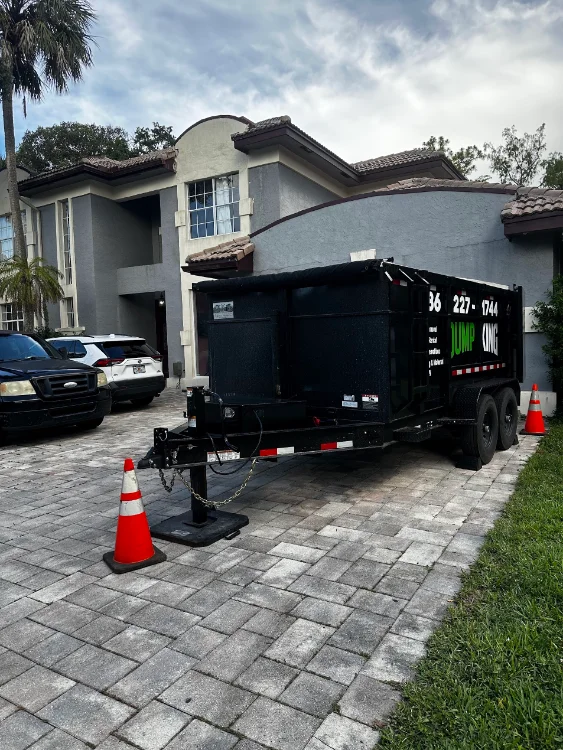
For most homes in Coral Springs, the driveway is the easiest choice. It's your property, it's paved, and it keeps the container off the street. Street placement is different. Putting a dumpster on a public road or in the right-of-way can need city approval, so check with the City of Coral Springs before you plan on the curb. It's a quick call, and it's much better than finding out after the container is already down.
If you live in a community with a homeowners association, look up its rules too. Some HOAs limit how long a dumpster can stay, where it can sit, or whether you need to send in a request first. Getting a yes in writing before delivery keeps things friendly with the board and the folks next door.
Once you know where it's allowed, walk the spot and look for these things:
- Room for the truck. A roll-off truck backs in and slides the container off the back, so it needs a clear, fairly straight path and extra length beyond the dumpster itself.
- Overhead space. Low power lines, tree limbs, and carport roofs can get in the way when the container tilts off the truck. Live oaks and big palms hanging over a driveway are worth a second look.
- A firm, level surface. Pavement or concrete works well. Soft grass, fresh sod, or sandy soil can rut or sink under a loaded container.
- Clear access. Move cars, trash bins, and kids' bikes out of the way, and keep the spot free until pickup too, because the truck needs the same path to haul it out.
- Your daily routine. Make sure the dumpster won't block your garage, a mailbox, or a neighbor's driveway for the days you have it.
South Florida weather plays a part here. During the summer rainy season, a lawn that feels solid in the morning can turn soft after an afternoon storm, and a heavy dumpster sitting on wet ground can leave deep marks. Strong sun also heats up asphalt driveways, which makes them softer than concrete. If your driveway is asphalt or you're worried about the surface, mention it when you book so we can talk through placement with you.
Gated communities and condo or townhome complexes need one more step. Let the gate or the property manager know a truck is coming, and share any gate code or instructions with us ahead of time. A truck stuck at the gate is one of the easiest delays to avoid.
When you reach out, tell us where you'd like the dumpster, what the surface is, and anything that might be tight, like a narrow driveway, low wires, or a cul-de-sac with parked cars. A clear picture up front helps us plan the drop-off so it's simple and stress free on your end.
What Goes In and What Stays Out of a Debris Dumpster
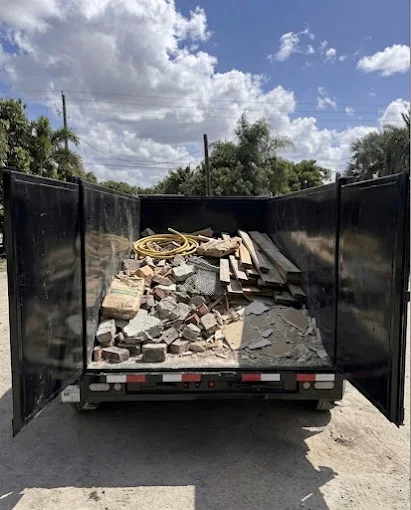
Most of what comes out of a remodel, cleanout, or yard job can go right in the dumpster. A small group of items can't, and a few more need a quick heads-up first. Knowing which is which before you start loading keeps your pickup on schedule. It also keeps you from having to dig something back out of a full container.
These items are generally fine to toss:
- Construction and remodel debris, like drywall, wood, cabinets, countertops, tile, flooring, and carpet
- Roofing shingles and underlayment
- Household junk and furniture, like couches, tables, dressers, and old shelving
- Yard waste, like branches, palm fronds, hedge trimmings, and storm debris
- Concrete, brick, dirt, and asphalt, keeping in mind the weight limits covered above
- Scrap metal, cardboard, and general trash from a cleanout
Some things need a call before they go in. They aren't always banned, but they're often handled differently because of how they have to be disposed of or recycled. That group includes refrigerators, freezers, and AC units, which hold refrigerant. It also covers mattresses, tires, and electronics like TVs and computers. If your project includes any of these, tell us when you book. We also offer appliance disposal, mattress removal, tire removal, and electronic waste removal, so there's usually a simple way to handle them alongside your dumpster.
Then there's the group that shouldn't go in a standard debris dumpster at all. This isn't about being picky. These materials can leak, catch fire, or harm the people who handle the load and the land where it ends up.
- Wet paint, paint thinners, stains, and solvents
- Motor oil, gasoline, and other fuels
- Car batteries and loose household batteries
- Pool chemicals, pesticides, and fertilizers
- Propane tanks and other pressurized containers
- Medical waste and anything that might contain asbestos
Coral Springs homeowners run into a few of these more than they'd expect. Garages here often hold half-used pool chemicals, old lawn care products, and leftover hurricane supplies like gas cans and propane tanks. They tend to get swept up in a big cleanout without a second thought. Pull them aside before you start loading. If you have a larger amount of hazardous material, ask us about our hazardous waste dumpster rental so it's handled the right way.
Older homes and commercial spaces call for one more check. If you're tearing out old flooring, ceiling texture, or pipe wrap and you're not sure what it's made of, stop and get it tested before it goes anywhere. That isn't something to guess on.
A good habit is to set up a "not sure" pile as you work. When you're done, snap a photo or make a quick list and run it by us. It takes a couple of minutes, and you'll know your dumpster is ready to haul when the truck shows up.
How Dumpster Pricing Structures Work
Most folks don't mind paying a fair price. What bothers them is a bill that's bigger than they expected. The good news is that dumpster pricing follows a pretty simple pattern. Once you know the pieces, you can tell right away whether a quote covers your whole job or just part of it.
In this industry, most dumpster rentals are priced as one bundled rate. That rate usually covers a few things together:
- Delivery of the container to your home or job site
- A set number of rental days
- A weight allowance, meaning how many tons are included before extra charges start
- Pickup and hauling the load away
- Disposal of the debris
The size you pick sets the starting point. A bigger container costs more to haul and to dump. That's one more reason to match the size to your project, as we covered above, instead of guessing high.
From there, a few things can move the total up or down:
- Going over the weight allowance. Heavy loads like concrete, dirt, and shingles are where most overage charges come from, so it pays to plan for the weight limits we talked about earlier.
- Keeping the dumpster longer. Extra days past the included rental period usually add a daily charge. If your remodel might run long, say so up front. A longer rental planned ahead often works out better than adding days at the last minute.
- What's in the load. Some materials cost more to dispose of or have to go to a special facility. Items that need special handling, like appliances with refrigerant or tires, can add a charge when they show up in the container.
- Overfilling. A load stacked past the rim may have to be leveled off before the truck can haul it, which can mean a return trip.
- A wasted trip. If the truck shows up and can't drop or pick up the container because of a blocked driveway or a locked gate, some companies charge for the trip.
- Street placement. If your spot needs city approval, any permit cost is a separate line item from the rental itself.
Here's a quick example. Two neighbors in Coral Springs both rent a 20 yard dumpster. One fills it with old furniture and carpet from a move-out. The other fills it with broken tile and concrete from a patio tear-out. Same size, same days, but the second load is much heavier and could go well past the weight allowance. The container looks the same in both driveways. The bill may not.
Before you book with anyone, ask these questions so nothing catches you off guard:
- How many days are included, and what does each extra day cost?
- How much weight is included, and what's the charge per ton over that?
- Are delivery, pickup, and disposal all part of the quote?
- Are there extra charges for certain items or materials?
- What happens if the truck can't reach the dumpster on pickup day?
We'll walk you through each of these answers before the container ever leaves our yard. That way you know what you're paying for and can plan your project without any stress.
When a Dumpster Rental Isn't the Right Fit
A dumpster is a great tool, but it isn't the answer to every pile. We'd rather tell you that now than have you pay for a container you didn't need. Here are the times we'd steer you somewhere else, including a couple where you might not need us at all.
You only have a few items. If it's an old couch, a mattress, and a broken treadmill, a dumpster sitting in your driveway for days is more than the job calls for. A junk removal pickup fits better. A crew comes out, loads it, and it's gone the same visit. Our furniture removal, mattress removal, exercise equipment removal, and curbside junk pickup services are built for this kind of small load.
You can't or don't want to do the lifting. With a dumpster rental, you're the one hauling everything out of the house and tossing it in. That's fine for a lot of people. It's not fine if you're dealing with a bad back, a tight timeline, or a two-story house full of heavy furniture. In that case, full junk removal or our labor only services make more sense, because you're paying for hands, not just a container.
There's nowhere to put it. If your HOA says no, your driveway is too narrow, or the spot doesn't pass the placement checks covered above, don't force it. A dumpster bag service takes up far less room, and junk removal needs no space at all beyond a spot for the truck to park for a little while.
It's one big, awkward item. A hot tub, a piano, an old shed, or a backyard playset is usually better handled as its own job. These items often need to be broken down or moved with care. We offer hot tub removal, piano removal, shed removal, and playset removal for exactly these jobs.
Your load is mostly hazardous material. A standard debris dumpster can't take the items listed earlier, like fuels, chemicals, and batteries. If that's most of what you're clearing out, a regular rental won't help. Ask about our hazardous waste dumpster rental instead.
Some of it can be donated or handled by your regular trash service. If you're clearing out good furniture that still has life in it, a donation pick up keeps it out of the landfill. And if all you've got is a few bags of yard clippings or household trash, check whether your regular trash service will take them. You might not need to hire anyone for that.
So when does a dumpster win? It's the right fit when you have a lot of debris, you want to load it at your own pace over several days, and you've got a good spot to set it. Remodels, roof tear-offs, big cleanouts, and storm cleanup in Coral Springs all tend to land here.
If you're on the fence, that's okay. Many jobs could go either way, and the choice depends on how much you have, how fast you need it gone, and how much of the work you want to do yourself.
Can I put a mattress or old TV in the dumpster without calling first?
Give us a call before you toss in a mattress, tire, or electronic like a TV or computer. These items often need special handling for disposal or recycling, so we'd rather know ahead of time. We also offer separate mattress removal and electronic waste removal if that's simpler for your job.
What if the dumpster truck can't get to my driveway on pickup day?
A blocked driveway or locked gate can turn into a wasted trip, which may come with its own charge. Keep your path clear the same way you did for delivery, move cars and bins, and let gated communities know a truck is coming. If a gate code or property manager approval is needed, share that with us before pickup day.
Can I keep adding trash to the dumpster even after it looks full?
You can keep loading it, but only up to the top rim, not stacked above it. A load piled higher than the rim isn't safe to haul and may need to be leveled off before the truck can take it, which can mean a return trip. If you think you'll fill it fast, like after a big storm cleanup, it's worth ordering one size up from the start.
What should I do with leftover paint, pool chemicals, or propane tanks from my garage?
Pull these aside instead of tossing them in the dumpster, since they can leak, catch fire, or harm whoever handles the load. Coral Springs garages often collect these from pool upkeep and hurricane prep, so it's common to find them during a big cleanout. If you have a larger amount, ask us about our hazardous waste dumpster rental so it gets handled the right way.