
Asphalt Dumpster Rental in Coral Springs: Pick by Weight, Not Just Size
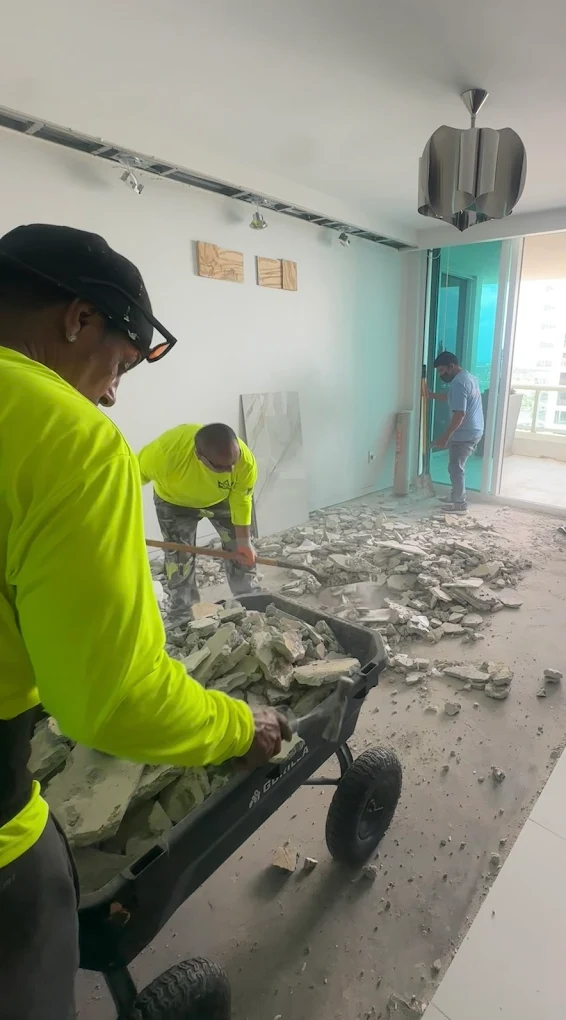
Asphalt Debris Weighs More Than It Looks
Asphalt dumpster rental in Coral Springs is a weight decision as much as a space decision. Broken pavement can take up less room than you'd expect while adding up to a heavy load. Know how much pavement is coming out and what else will be in the load before you choose a dumpster. That gives you a better way to judge the rental than bin size alone.
A dumpster can have room left and still reach its weight limit. The useful question isn't just whether the asphalt will fit. It's how much weight the rental includes and what happens if the load exceeds it.
Picture two driveway jobs with the same surface area. One removes a thin layer; the other breaks out the full paved section. The pieces may look similar in a pile, but the second job leaves far more material to haul. That's why the area alone doesn't tell the whole story. Depth matters, and so does whether you're removing only asphalt or pulling up material beneath it.
- What are you removing? Broken asphalt from a driveway or parking area gives a clearer picture than calling it general construction debris.
- How much is coming out? Share the approximate area and depth if you know them, or describe the pile once removal has started.
- Will anything be mixed in? Let us know about dirt, concrete, or other debris so you can ask whether it belongs in the same load.
The best rental choice for asphalt isn't always the largest container. A bigger bin offers more space, but space won't solve a weight-limit problem. Industry rental quotes commonly account for the container, rental period, included weight, and charges for weight beyond that allowance. Ask which of those are covered in the quote before you commit. That matters most when you have a thick section of pavement or the amount of material is still uncertain.
If the asphalt is already piled up, tell us whether it's in large broken slabs or smaller pieces. That description helps explain what you're trying to load, though it doesn't replace a weight estimate. If the work hasn't started, a rough description of the paved area and planned removal depth is still useful. You don't need to guess an exact tonnage to have a clear conversation about the job.
At DumpKing, we emphasize clear communication and transparent pricing with no hidden tipping or environmental fees. For your asphalt job, ask us to spell out the weight allowance and any charge for going over it. You'll know what the quote covers before the heavy debris starts adding up.
Matching Container Size to Driveway Tear-Out vs. Lot Resurfacing Jobs
Start with the pavement that's coming out, not the size of the driveway or lot. A driveway tear-out may leave one concentrated pile of broken asphalt. A parking lot resurfacing job might remove material from several areas over several days. The right container plan has to fit how the debris will be produced and loaded, not just the finished size of the project.
For a driveway, find out whether the crew is taking out the full paved section or removing only the top layer. Those aren't the same rental job. If removal hasn't begun, share the planned work with us and confirm with your contractor where the broken pavement will be placed. That helps you choose a spot for the container without blocking the work or leaving the crew a long distance to carry heavy pieces.
Parking lot work calls for one more question. Will the crew remove everything at once, or open and finish the lot in stages? If cars, customers, or work vehicles still need access, a container that fits the available space may be more useful than the biggest one that could hold the debris. Discuss where it can sit and when each area will be cleared before settling on a size.
DumpKing lists 10-, 20-, 30-, and 40-yard dumpster rentals, but those size labels alone don't tell you which option fits asphalt. A larger container isn't automatically the better choice for a large paved area. For a job spread over several workdays, ask whether the available container and pickup plan can keep up with the removal schedule. For a smaller tear-out, ask whether a more compact option will handle the planned load.
Tell us if the asphalt will be broken into slabs or removed as smaller pieces. Large slabs can be awkward to load even when the pile looks manageable, while smaller pieces may be easier to spread through the container. Also say if the crew plans to place the debris directly into the dumpster or pile it first. That affects where a container will be useful during the job.
Before you settle on a rental, check the space available for placement, the path the crew will use to load it, and how long removal is expected to take. We emphasize reliable scheduling and driveway-safe delivery methods. Give us the driveway or lot details along with the removal plan so the container choice works for the site as well as the asphalt.
Weight Allowances and Overage Fees Explained
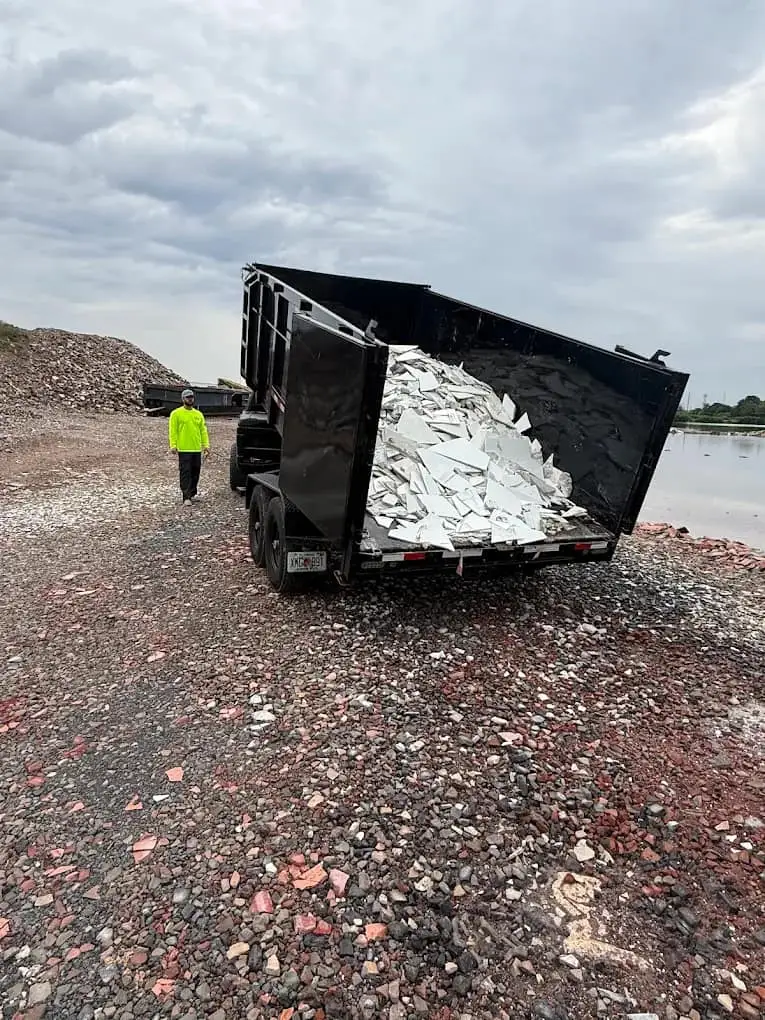
Ask for the weight allowance in writing, along with the rate for any weight above it. Those two numbers tell you more about the possible final cost than a container size does. The allowance isn't an estimate of what your asphalt will weigh. It's the amount covered under the quoted terms.
Here's a simple example, not a DumpKing rate or allowance. If a rental includes 2 tons and the load weighs 2.6 tons, the overage is 0.6 tons. You'd still need to know how the provider bills that fraction. Is it charged by the exact weight, rounded to a set increment, or handled another way? Ask before the pavement goes in.
A clear quote should let you answer these questions:
- What weight is included, and what rate applies above it?
- How is the loaded weight determined, and can you get the weight record?
- If the job needs more than one load, does each load get its own allowance or are the weights combined?
- Are there limits on what can go in the asphalt load, even if the container has space?
That third question matters when removal happens in stages. Suppose your contractor breaks up part of a parking area, fills a container, and then needs it cleared before work continues. Don't assume the weight allowance carries over to another load. Confirm how each pickup would be billed and whether another rental or pickup charge would apply. You can then compare the plan with your contractor's schedule instead of finding out midway through the job.
Keep the material description specific when you ask for terms. If the pile includes asphalt and dirt from beneath it, say so. If the contractor may add concrete, ask whether that changes what the container can accept or how the load is priced. It's easier to settle that before loading than to sort out a disputed charge after pickup.
If nobody knows how much pavement will come out until the work starts, you don't need to pretend the weight is certain. Ask what information you'll receive about the final weight and when an overage would be charged. DumpKing emphasizes transparent pricing with no hidden tipping or environmental fees. For this job, get the included weight, overage terms, and any terms for additional loads clear before you book.
Protecting Your Driveway During Delivery and Pickup
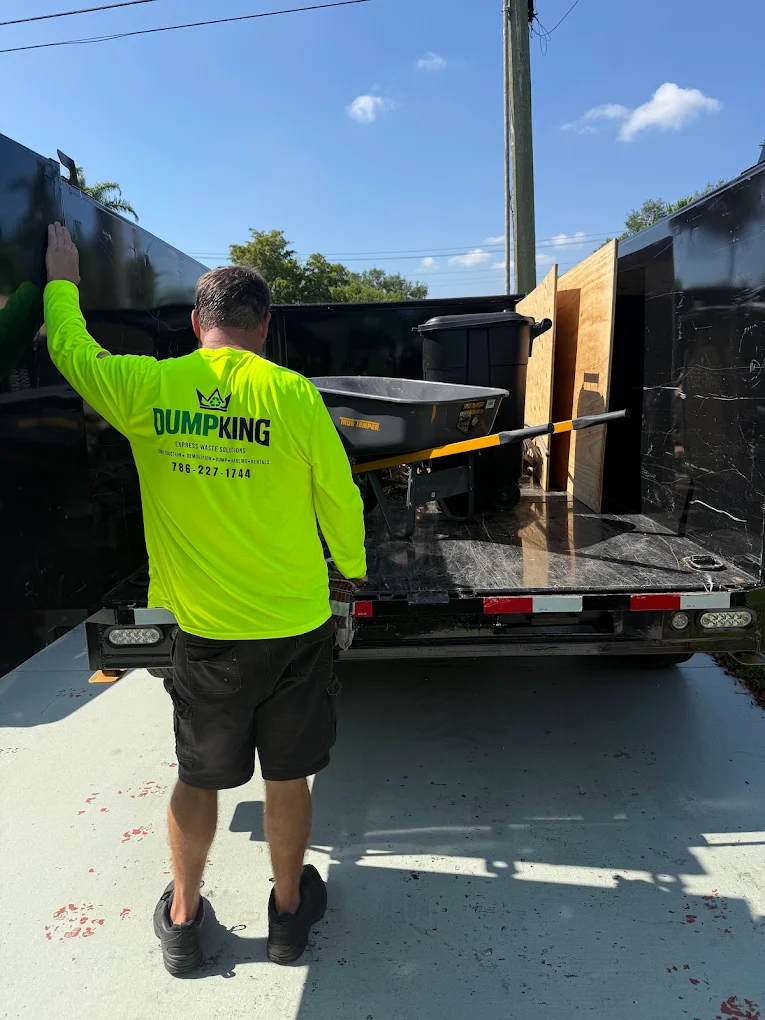
Before you choose a spot for an asphalt dumpster, look at the surface it'll sit on. The empty container is only part of the picture. As broken pavement goes in, the load gets much heavier. A spot that looks fine for an empty container may be a poor choice for a full one. Tell us about visible cracks, loose pavers, fresh paving, or a section that already dips under a parked vehicle. Those details matter more than whether the container looks like it'll fit.
Pay close attention to the driveway edges. A container placed near a crumbling edge, drainage channel, or patch of soft ground raises a different concern than one placed on sound pavement. If your driveway slopes or has a narrow paved strip beside a lawn, describe that too. You don't need to diagnose the surface. A photo and a plain description of what you see can help us discuss where placement makes sense before delivery is scheduled.
Think about pickup while the container is still empty. Will a parked car, a gate, or the work crew's materials block access once it's full? A spot can work well on delivery day and become hard to reach after the tear-out gets underway. Keep the planned pickup path in mind when you choose where vehicles and materials will go during the job. That's especially important if the driveway must stay usable while the asphalt is being removed.
If the paved area being torn out is also the only place a container could sit, say that upfront. You may need to decide whether placement should happen before removal starts or after another area is cleared. If new paving is part of the same project, tell us when that work is planned as well. The useful question isn't just where the dumpster can go today. It's whether that spot still works through loading and pickup.
DumpKing uses driveway-safe delivery methods and is bonded and insured. We still want to know what's under the container and what could be in its way. Share photos of the proposed spot, its edges, and the route into and out of the property. That gives us a clearer conversation about placement before a heavy load is sitting on your driveway.
Right-of-Way Placement and Permits in Coral Springs
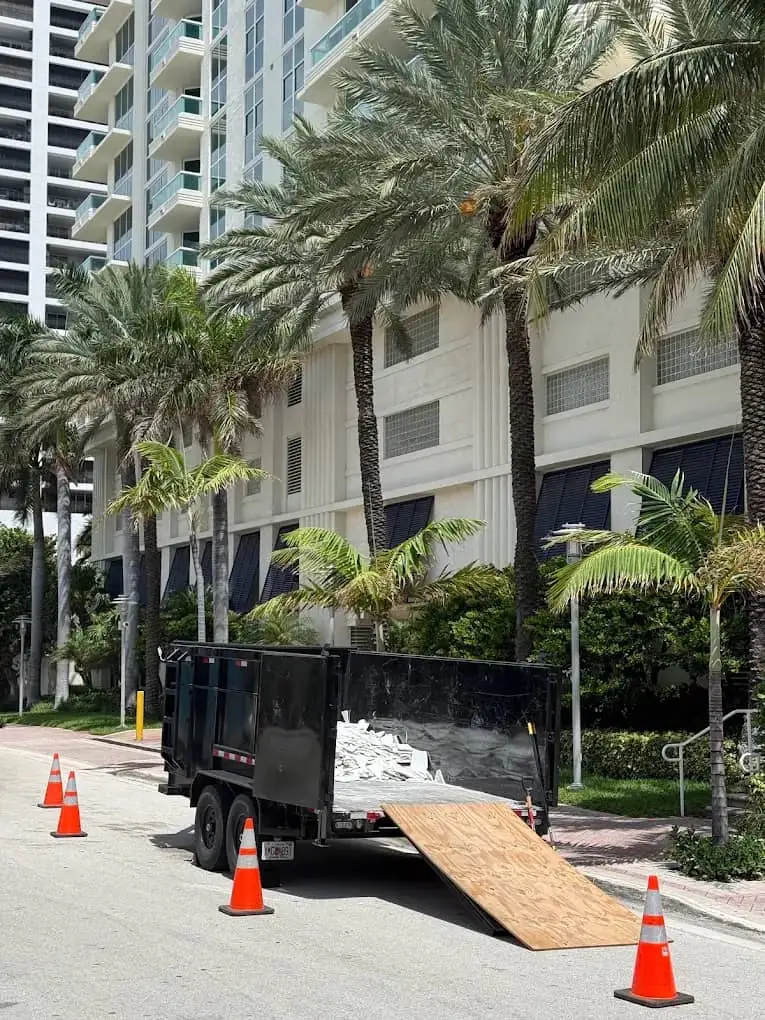
If the dumpster can't sit entirely on private property, check the placement rules before you schedule it. In Coral Springs, a spot near the street may involve the public right-of-way even if it looks like part of your frontage. Don't assume that the space beside the curb or at the end of a driveway is yours to use for a container.
The key question is where the container would sit. A dumpster wholly inside a private driveway is a different request from one that extends into the street, across a sidewalk, or onto the strip between the sidewalk and curb. If you aren't sure where the property boundary falls, tell us that when you describe the spot. A photo can show the layout, but it can't establish the legal boundary.
Before committing to street-side placement, ask the City of Coral Springs whether that exact spot needs approval and whether a dumpster is allowed there at all. Describe the container's proposed position, not just the property address. Ask what information the city needs, who must submit any request, and whether approval has to be in place before delivery. If your paving contractor is handling the project, decide who will make that inquiry so neither of you assumes the other has done it.
- Show whether any part of the container would extend into the street, sidewalk, or curbside area.
- Give the dates you expect it to remain there, including any gap between asphalt removal and pickup.
- Ask whether the proposed location has conditions that could affect delivery, loading, or pickup.
Private property can have a separate approval question. If a property manager or homeowners association controls the proposed spot, check its rules too. Its permission doesn't answer whether a public right-of-way may be used, and a city response doesn't replace permission from whoever controls private property. Keeping those questions separate can save you from choosing a location that works on paper but isn't available on delivery day.
If the city doesn't allow the spot you had in mind, don't plan around getting an exception. Choose a location that's available for the whole tear-out, or revisit the removal schedule with your contractor before booking. Tell us the proposed placement and any conditions you've been given so we can discuss the rental around the space you can use.
Can I mix asphalt with other construction debris in the same dumpster?
It depends on what's mixed in, so tell us upfront if dirt, concrete, or other debris will be in the load. Mixed loads can change how a container should be sized and how the weight allowance applies. Describing exactly what's coming out, not just calling it general debris, gives you a clearer answer before the container arrives.
What if I don't know how much asphalt will come out until the job starts?
That's common, and you don't need an exact tonnage to get useful terms. Ask what information you'll receive about the final weight and when an overage charge would apply. A rough description of the paved area and removal depth, or a description of the pile once work begins, is enough to start the conversation.
Do I need city approval if the dumpster will sit near the street in Coral Springs?
Check with the City of Coral Springs before scheduling if any part of the container would sit near the street, sidewalk, or curbside strip. That space can be part of the public right-of-way even though it looks like your driveway frontage. Confirm the exact spot, the dates you need it, and who must request approval before delivery day.
What happens if my asphalt removal spans more than one dumpster load?
Don't assume the weight allowance from the first load carries over to a second one. Confirm how each pickup is billed and whether an extra rental or pickup charge applies before the job starts. This matters most on staged jobs, like a parking lot resurfacing done in sections.